Artist Spotlight
Artist Spotlight — Marko Zubak — Alias _ Vol.1 Beyond Creation
By Alias Studio · March 19, 2025 · 6 min read
Interview by Primavera De Filippi
Interviewee: Marko Zubak / MLIBTY
Marko Zubak is one of the artists we are featuring in our Alias _ Vol.1 artist series. Born in 1979 in Croatia, emerged from an artistic milieu, his creative spark ignited early amidst the family gallery on the island of Rab.
He pursued formal training at the Accademia delle belle arti di Bologna, Italy, in 1999, before relocating to Barcelona, where he completed his degree at the Facultad de Bellas Artes de Barcelona in 2006.
That same year marked his foray into multimedia studies at CIPSA school, culminating in completion in 2008. Today, Zubak divides his time between studios in Zagreb and Rovinj, continuously evolving his practice through a blend of traditional artistic roots and cutting-edge technological exploration, particularly with the integration of AI.
The first edition of Alias Beyond Creation was hosted by Artverse Gallery multidisciplinary digital arts space in Paris.

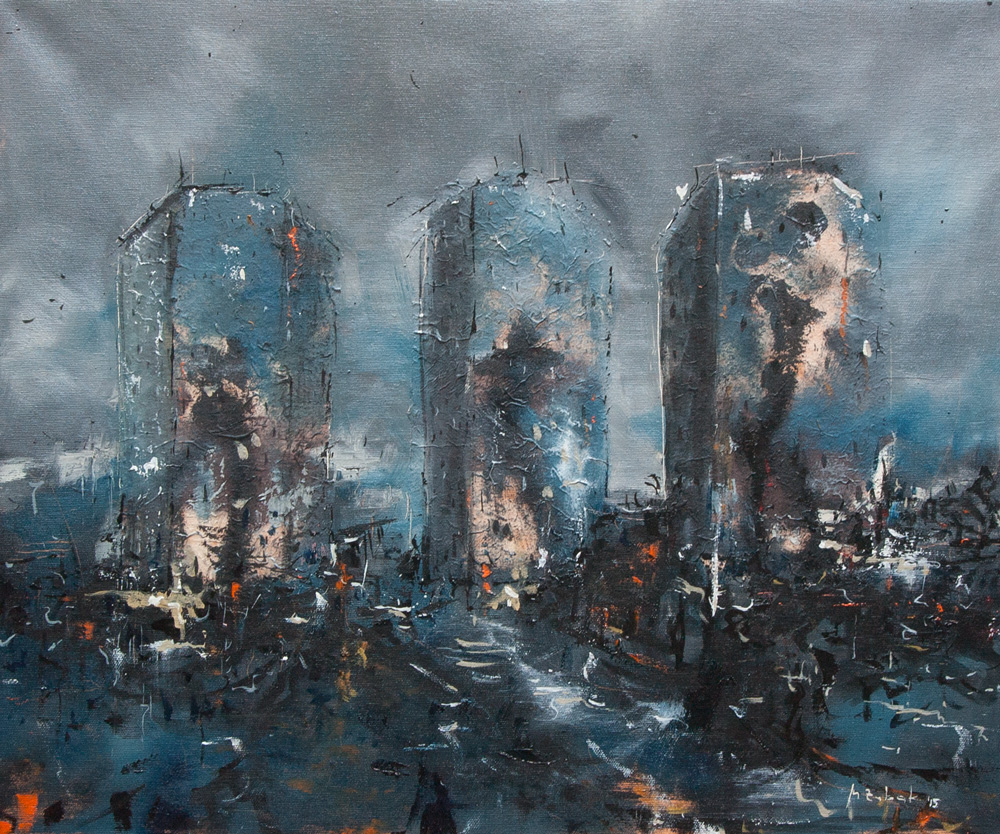
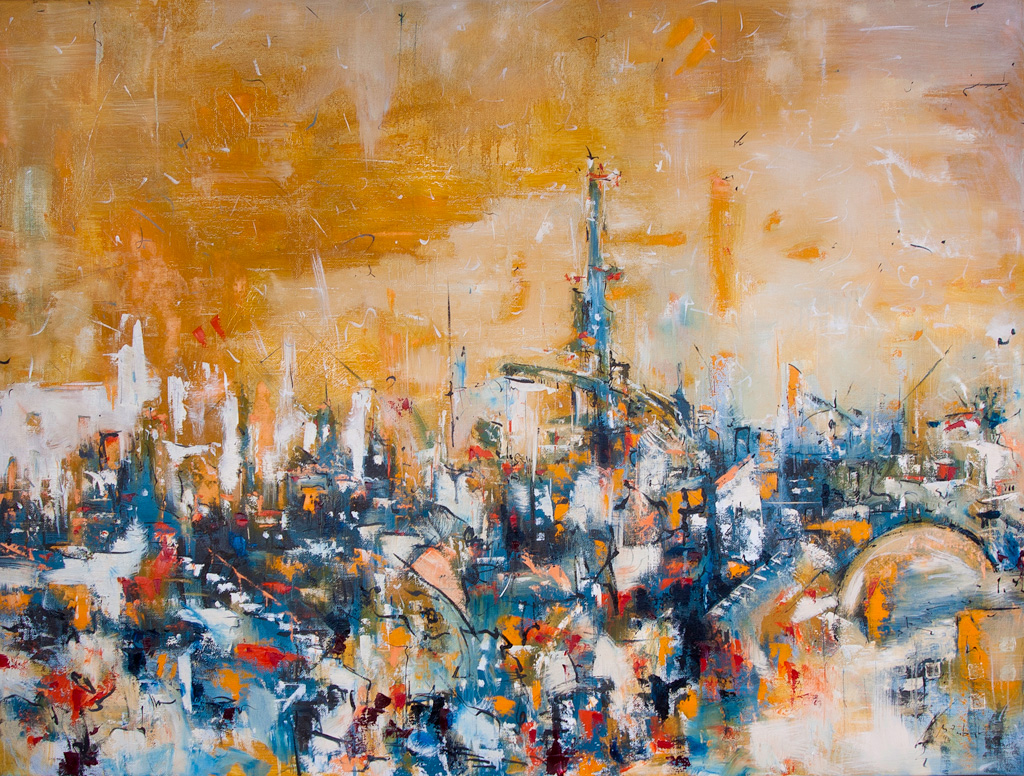
Zubak’s artistic practice is driven by a fundamental need for self-expression, exploring deep questions about humanity, evolution, and technology. He views his creative process as stemming from a simple need to create something tangible, fueled by fundamental questions without necessarily needing answers.
Intro
Could you scribe your artistic practice? How does AI fits into your creative process?
My artistic practice stems from a simple need that arises from deep or shallow places within myself — the need to express myself by creating something I can see, hear, touch, and sometimes share. It is fueled by fundamental questions about humanity, evolution, and technology, without necessarily seeking to answer them. AI first entered my process in 2019 as an experimental tool, but it has since evolved into a kind of collaborator, opening numerous side paths I might not have explored if I had followed traditional, linear approaches.

In your artistic journey, what has been the most meaningful experience you’ve had involving AI-generated art?
Perhaps due to the constant progress of this technology and the excitement and inspiration I draw from new approaches and models, I find it hard to reflect on meaningful moments from the past. It feels as though the best is yet to come — we are still waiting for something transformative to emerge. Everything I do with AI so far feels like just a warm-up. However, recognizing the agentic nature of something I once used merely as a tool is both mind-blowing and frightening.


What drew you to Alias.studio? How does the platform align with your artistic vision?
I was drawn to Alias through my inclination toward collaboration, which culminated in my involvement with DADA. In Alias, I found a safe space to push my artistic practices further. The ethical aspects of Alias, its technology, the level of training control, and the blockchain foundation all resonated with me from the very first prompt.
Exploring the Role of AI: Friend or Foe?
Do you consider AI to be a collaborator in your artistic process, or is it more of a tool? How do you balance your artistic vision with the capabilities of the AI?
I initially considered AI a tool when I started experimenting with GANs, but today, it feels like there’s much more emerging from its side. The true capabilities of AI are still beyond my grasp; I often feel like I’m balancing my artistic vision with the capabilities of my computer.
In your experience, does AI help to unlock new creative possibilities, or does it present challenges to your traditional ways of creating art?
I love reaching a point in discussions with AI where it leads me down untaken paths and reveals something that feels deeply personal — something I wouldn’t have arrived at on my own. The more time I spend with it, the greater the challenge becomes to create in traditional ways without the presence of AI.
Creative Synergies and the Role of the Viewer
The exhibition invites viewers to interact with Alias. How do you feel about this form of audience participation? Does it change the role of the artist in the creative process?
Ever since I embraced digital art, collaboration has been the aspect that appealed to me the most, though my involvement was always required. This new form of audience participation feels different — my model functions as an independent art piece capable of collaborating with others. While my role in the creative process remains embedded at the core of the model, I no longer need to intervene in these interactions.


Ethical and Legal Considerations
As AI-generated art becomes more prevalent, what ethical questions or dilemmas have you encountered in your own work?
I strive to stay on paths I can trace back to my own work, experimenting within those boundaries. Platforms like Alias and open-source tools are therefore vital to my practice. Ethical questions and dilemmas often arise when using commercial platforms, where models trained on dubious datasets exert a noticeable influence, intellectual property is removed from the hands of artists, and there are no underlying mechanisms to track provenance.
How do you navigate the issue of ownership and authorship in AI-generated art, especially with regard to AI models that are trained on vast datasets?
I try to avoid such models and instead use those trained on my own art. In cases where I do use them, the generations do not reflect any external influence.
The Future of Art and AI
Where do you see the future of AI and art heading? Do you think AI will be seen more as a tool for artists or as a co-creator in its own right?
AI has already evolved from being a mere tool into an agent capable of acting independently. As long as it functions as an agent that co-creates results pleasing to humans, it will continue to be seen as a co-creator.
Personal Reflection and the Exhibition
How does being part of Alias _ Vol.1 impact your own perspective on the evolving relationship between art and technology?
Evolving technology has revolutionized ways of collaboration in art, introducing non-human co-creation — something never seen before — and making it easier to connect art with other scientific fields. Being part of Alias means caring about the future, about ethics, the human factor, and the directions where the development of AI can lead.
Follow Marko Zubak
Patreon
Instagram
X
Follow Artverse
Instagram
Originally published by Alias Studio in alien.papers on March 19, 2025. Interview by Primavera De Filippi. This republication preserves the original interview text and captions.